

New chicks and old flocks
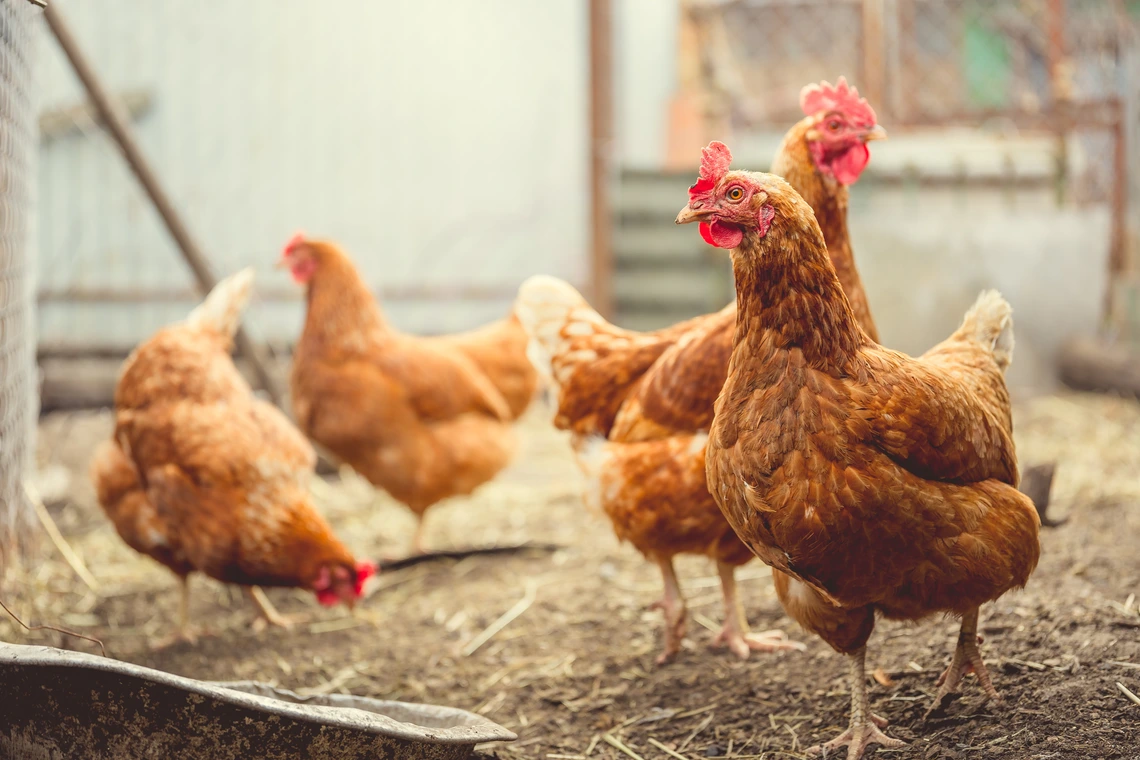
Spring is in the air! The turning of the seasons brings the want for new projects, hobbies, and new life. For many, that means going down to the local farm store to check out the chirping chicks and see which ones you want to bring home. If you’ve done this for many years or you’re just getting started there’s a few important aspects to keep in mind when starting new chicks as well as integrating them into existing flocks.
New Chicks
Whether your goal for having chickens is egg production, meat production, or you just like having them around for the clucks, it is important to remember to get not only the chicks, but also the equipment needed to rear them. Waterers and feeders (as well as the feed to go in them) are necessary for everyday care of both young and mature birds. You’ll also need a brooder set up for chicks to keep them safe and warm as they grow and feather out. This can be just about anything that will keep the chicks contained and a heat lamp can be used for warmth. After about 6-8 weeks, when chicks are fully feathered, they can transition to the coop provided the nighttime temps are moderate (>50F or so). Your coop needs to also have adequate water availability, feeders, roosts, and nesting boxes. Also, it needs to be properly ventilated and protect the birds from predators.
Biosecurity
If you have an existing flock and are purchasing new chicks to replace old hens or adding to your flock, you should think about the biosecurity or health maintenance of your existing flock. Anytime you introduce new animals, they should be kept separated for a time to ensure they are not sick and won’t introduce any diseases to the animals already there. A period of 4 weeks quarantine for the new birds is adequate, including chicks. During this period, news birds should be physically separated from your flock and kept far enough away so that they don’t share the same air flow. You should be assessing the health and appearance of the new birds for signs of disease. Looking at their beaks, feathers, feet and monitoring their energy, respiratory, and development. If you see signs of disease, contact your local veterinarian for proper diagnosis and treatment of that bird.
Integration into Old Flocks
Flocks have their own dynamics and hens definitely have a pecking order, so when introducing new birds into the flock there are a few methods you can try so you don’t have bird battles in the middle of your chicken coop. If the new birds are chicks, they must be of proper size and the outside temperature sufficiently warm. Assuming you’ve followed quarantine, allow your new birds to be near the flock with physical separation between them. This can be just the coop fence, a play pen, or a dog kennel that the chicks can’t get out of, and the hens can’t get in. This allows each set to get used to each other without the possibility of physical harm. Once chicks are around the same size as the hens, then you can start introducing them into the coop without the barrier. Stay around to supervise and break up any major fights, but some pecking and squawking is normal to establish a new pecking order. Having extra waterers, feeders, and roost space will aid in this time so there is plenty of room for everyone.
If you want to learn more about raising chickens, a workshop in the Livestock Basics Series specific to chickens will be held April 2nd from 6:00-8:00 pm at the UA Cooperative Extension Office (840 Rodeo Dr. Prescott, AZ 86305). This workshop will cover equipment, chick selection, nutrition, egg and meat production, care, and so much more! The class is $15 to attend. Register online or call 928-445-6590.
Yavapai County Livestock Program
The livestock program in Yavapai County provides education and assistance to livestock owners both big and small. Throughout the year, there are various opportunities to gain knowledge through workshops. In addition, please feel free to reach out to have one-on-one visits about your livestock and address any questions you may have.
The Livestock Basics Workshop Series will continue later in the year focusing on small ruminants, cattle, and others. Check back often with our events page below to find out when those will be held.
Katie H. Spanyers is an assistant agent with Yavapai County Cooperative Extension focused on livestock production in Yavapai County.